

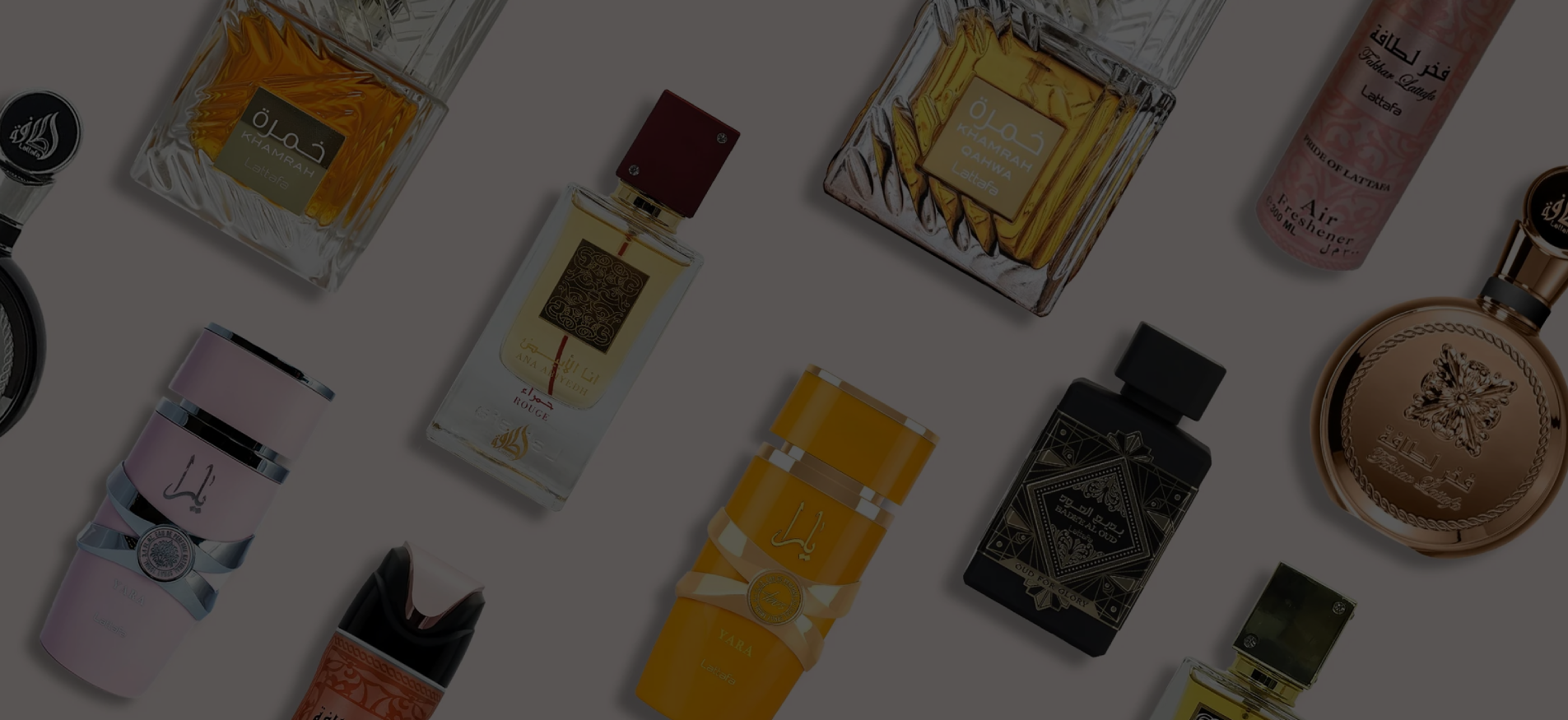
Fragrance and mood can be an overwhelming duet: they lift you, revive memories, and enhance your belief in yourself. Scents create a certain aura around you; they are more than just accessories to your style. As spring turns into summer and winter into autumn, the scents we wear also undergo tactical changes. In the deeper parts of winter, the richer and warmer fragrances hold promises of comfort and fullness. Hence, a trip into the best winter perfumes for 2025 is a great way to refresh your collection. From spicy notes that feel like a warm cashmere blanket to fresh blends that can brighten up grey days, the perfect perfume can be your very presence. This guide will help you gain insights into fragrances that do represent your personality and the season.
Over the past several thousands of years, fragrance has participated in shaping traditions, fashion, and even personal identity. Essentially speaking, fragrance is a combination of highly scented materials capable of producing a pleasurable aroma. These aromas are made from materials derived from nature, such as flowers, spices, woods, and resins, as well as from man-made synthetic chemicals that create odors of natural origin. Gentle, subtle fragrances or deep and heavy ones are, in a way, representative of the culture and personality of the wearer.
It is a word that defines all combinations of fragrant materials that create a sweet smell. Though largely it is associated with perfumes and colognes, fragrance can also refer to the scent of soaps, candles, lotions, and even blooming flowers. Fragrance does so much more than make a thing smell good: it can evoke feelings, trigger memories, and even affect how we feel in a moment.
The study of scents is quite the subject. Smell is directly connected to the limbic brain domain, the area controlling our emotions and memories. That is why a single whiff of a familiar perfume can time-travel your mind to a moment or place. The connection between fragrance and mood is so prevalent that many people pick theirs based on the feeling they want to create.
Table of Contents
- A Brief History of Fragrance
- How Fragrance Has Evolved Over Time
- Fragrance as a Form of Self-Expression
- The Emotional Impact of Fragrance
- Types of Perfumes
- Fragrance Families: Understanding Scent Categories and Their Appeal
- Fragrance Notes Explained: Everything About Base
- How to Choose the Right Fragrance
- How to store and make fragrance last longer
- Common myths about fragrances
- FAQs
A Brief History of Fragrance
Fragrance has always been as ancient as civilization itself. The early cultures used aromatic materials for ceremonies, in daily life, and beauty rituals. Sources say that the earliest recorded use of perfumes dates back sometime over 4000 years to Mesopotamia, from oils laced with herbs and flowers. Ancient Egyptians took this further by using fragrance in their religious rituals as part of their embalming process. To them, scent could please the gods and even accompany the soul on its journey after death.
Perfume served as a status-symbol luxury in ancient Greece and Rome. For instance, oils that were steeped in roses, myrrh and other botanicals were smeared on the skin and used as a perfume for public places. It was during this period that great strides were made in distillation to produce pure essential oils from plants, an advance that opened modern perfumery.
By the 17th and 18th centuries, scent had come to be deemed an integral part of social existence in Europe. Complex perfumes were composed in France, where two or more notes would be intricately combined to create layers of fragrance. It is this way that France has maintained its global precedence and gained renown in the trade world for its art and creativity in perfume making.
How Fragrance Has Evolved Over Time
Fragrance isn’t merely a luxury item anymore; it has come to be accepted in the whole of human life. Fragrances are part of household products, personal care, and even a little bit of technical stuff. In this modern world, perfume design has come to mean combining art with The Science Behind Fragrance Longevity to produce perfumes for various tastes, lifestyles, and pockets.
With calls for natural sustainability becoming louder, the industry is being forced to change. Eco-friendly approaches to production, cruelty-free testing methods, and sustainable sources of raw materials are becoming key factors to many customers. The change signifies an increasing consciousness of the impact fragrance production can have on the environment.
Fragrance as a Form of Self-Expression
Fragrance has one of the most powerful means of communication. The scent you wear can carry with it meanings of confidence, comfort, playfulness, or maybe a hint of mystery. You could even go as far as to say that it can truly become a signature-all the more so because it is specifically something with which other people will identify you. Fragrance is another way of expressing oneself, alongside clothing and accessories.
Fragrance can also be dependent on the seasons. In the warmer months, fragrant notes that are light and fresh go well with any ensemble, while rich and warmer scents feel relaxing in the colder climate. Many people have a collection of scents to match any occasion and mood.
The Emotional Impact of Fragrance
Scent is closely tied in with emotional health. Different smells can soothe one’s mind, uplift the spirit, or remind one of nostalgia. Lavender, for example, is used as a relaxation aid, whereas citrus smells tend to be bright and invigorating. Due to this connection, scents were adapted for such wellness activities as aromatherapy.
Fragrance doesn’t just affect the wearer; it also touches everyone around him/her. A sweet fragrance can have lasting memories and make one feel very warm and approachable.
A true fragrance is no longer just a finishing touch; it completes your personality and leaves a solid impression. Different fragrances possess different strengths, smells, and uses; therefore, knowing the difference would put you in the right position to select for every occasion. Some are rich and long lasting, while others are light and fresh; each serves its purpose
Types of Perfumes
Perfumes, otherwise known as perfume, is a form that captures the most amounts of aromatic oils, usually making it somewhere between 20 up to 30 percent concentrated with aromatic oils. Thus, it is the most concentrated and lasting of all kinds of fragrances-the least amount would retain the scent even for over 12 hours on the skin. Perfume is often said to be a very luxurious choice, to be reserved for special occasions.
Eau de Parfum (EDP)
Eau de Parfum differs from perfume only by the oil concentration, as it is around 15 to 20% oil. It lasts for a good 6-8 hours and is apt for both day and evening wear. EDPs are just what you need for modern times; they navigate the fine line between richness and approachability and often roll off the daily use.
Eau de Toilette (EDT)
Eau de Toilette is a diluted product that contains oils in the range of about 8-15%. This makes it a bit brighter, fresher, and very ideal for informal use or warm weather. Three to five hours at best will be the lifetime of an EDT, requiring possible reapplications during the day. Most people love them because of the casual feel and easily accessed price.
Eau de Cologne (EDC)
Eau de Cologne is so flimsy, having only 2-5 % fragrance oil. Very refreshing scent burst that lasts a couple of hours is great for on-the-spot fresheners and after workouts. Traditionally the colognes had citrus built compositions, and they became popular for their crisp, clean character.
Attar
Attar is the name of a traditional perfume obtained from flowers, herbs, or woods and distilled into a base oil. Attars were used mostly in Middle Eastern and South Asian cultures. They are alcohol-free and highly concentrated. Just one drop can last for hours, but the scent often deepens and changes beautifully with time.f
Body Mist
The lightest form of fragrance is body mist as it has very low oil concentration. The scent immediately notices but lasts for only an hour or two. It is a great refreshing scent to use especially right after a shower or on a hot day. Since it does not cost much, it is also great for layering with other scented products.
Fragrance Families: Understanding Scent Categories and Their Appeal
1. Floral
An archetype of the variety of olfactive families, floral fragrances possess an exceptionally wide popularity among connoisseurs of fine scents. They are built around all types of flowers, such as roses, jasmine, lilies, peonies, or gardenias, offering anything between soft, airy freshness and deep, velvety richness. Such fragrances suggest elegance, romanticism, and femininity, making them suitable for both the spring and summer seasons. Lighter compositions featuring citrus or green notes give a bright and youthful impression, whereas rich floral bouquets impart sophistication. These scents go with both informal and formal attire, adding generous charm to your person’s presence. Floral fragrances remain everlasting just because they epitomize the beauty of nature with an aroma that is known and comforting, and universally appealing.
2. Oriental
Oriental fragrances, on the other hand, are warm, bold, and fascinating, known for their rich and exotic nature. They essentially combine spices, such as cinnamon, cardamom, and clove, with some sweet notes of vanilla, amber, musk, or resins. The result is a rich perfume that gives off a distinct aura of sensuality and mystery. The oriental-smelling fragrances have an affinity towards evening wear, any special occasion, or during the cooler months. They linger beautifully and leave a lasting impression. Some versions are spicy and smoky.
3. Woody
Woody fragrances consist of earthy and naturally scented notes like sandalwood, cedar, vetiver, and patchouli. They are associated with calmness, refinement, and subtle hints of spice, leather, or herbs to deepen the fragrance. They work well with men and also women, for special occasions and especially professional or formal meetings. Blended with woodsy scents can be warm and embracing or crisp, dry, and give an impression as per the season. These are often taken up by one who appreciates simple fabulousness, one not so overpowering but instead bears a steady unforgettable mark. Woody fragrances let taste be confident and timeless in an effortless way.
4. Fresh
Fresh fragrances are perfume notes clean, energizing, and light-all meant for everyday wear. This is characterized by citrus notes like lemon, bergamot, or grapefruit and those green leaves, herbs, or aquatic accords. It gives an instant feeling of brightness and clarity, like a cool breeze or a sunny morning. Fresh fragrances are just right for those warm days, when you want to hit the gym or go about doing casual daytime activities. While some blends seem to lean a little zesty or tangy, others might just add a little floral or woody notes for balance.
5. Gourmand
Gourmand fragrances are very delicious, those that make you think of edible treats and sweet flavors. They feature notes like vanilla, caramel, chocolate, coffee, or almonds and often come blended with warm spices or creamy accords. They really evoke comfort and coziness, and sometimes sweetness with a playful edge that’s inviting. Perfect for the colder months, gourmand perfumes really sink into skin for a warm, dessert-like embrace that’s wonderful for evening wear or casual outings. Some are light and creamy; others are loud and decadent, with their rich layers unfurling slowly over time. Such Top Fragrance Trends for 2025, for people who love warmth and mouthwatering aromas that boast, even in comforting and irresistible ways.
Fragrance Notes Explained: Everything About Base
Fragrance is more than just a pleasant scent-it is a carefully crafted blend of ingredients that unfold in layers over time. To appreciate the scent fully, one must know how it is built. The structure of a fragrance is made up of top notes, middle notes, and base notes, which each play a very distinct role in how the scent will unfold and linger on skin. With fragrance notes expressed, you can very confidently choose scents and experience them, as perfumer has intended.
Top Notes
Top notes are the first aroma you notice once a perfume is sprayed. They are generally refreshing and light to instantly catch your attention. The top notes are common citrus fruits such as lemon and bergamot, fresh herbs, or fresh green leaves. All these scents contribute to the first impression that is formed and then evaporate quickly after about 5 to 15 minutes. Though brief, these notes set the stage for the aromatic journey and prepare the senses for things to come. They are like a sparkling prologue of a story: bright and alluring, drawing you to read this scent further. Without such playful top notes, a perfume can seem rather dull right at the first spritz.
Middle Notes (Heart Notes)
Should the top notes last longer than 15 minutes, the traditional middle notes will start to show their beauty. They are the heart of any fragrance and generally last for several hours. Middle notes have a depth and character of their own, represented by floral aromas like rose, jasmine, or lavender, layered with spices or fruits. This personality of the heart notes helps to blend the sharp freshness of the top with the depth of the base. These heart notes are what people perceive prominently once the first impression has faded.
Base Notes
Base notes are the last notes in a fragrance, lingering on the skin for hours or even an entire day. Warm, enveloping, and grounding, base notes provide the perfume with lasting power and include warm woods like sandalwood and cedar, creamy vanilla, musk, amber, and resins. Once the heart notes start to mellow, these notes come into play and create a memorable trail. Base notes comprise structure and balance, anchoring all the lighter notes above. With continuous charisma, they remain around the longest, persisting in conjuring memory and scent for those around you. If a fragrance is a part of a story, base notes are the magnificent finish that leaves it lingering in your mind and revisiting your thoughts wanting more.
How to Choose the Right Fragrance
Picking the right fragrance is more than just purchasing a really good, sweet-smelling bottle; it is about finding a scent which goes beyond just becoming an extension of your personality into those beautiful and important moments in your life. A good fragrance has the potential to build your self-confidence, amp up memories, and take a permanent spot in your memory bank for a long time. In a shelf of hundreds of options, one can easily get confused. But learning how perfumes work and what to look for can help one choose a fragrance with utmost confidence.
Understanding Fragrance Notes
It helps to understand fragrance notes before shopping. Fragrances are developed in three layers: top notes, middle notes, and base notes. Top notes are the first impression you smell when you spray the perfume; fresh and light. Once the top notes fade, the middle or heart notes take charge to impart the main character of the fragrance. The last, the base notes, would be heavy and lingering for the next few hours. Knowing these structures helps in choosing a scent that remains pleasant from the first spray to the last hour of your day.
Fragrance vs Perfume – Know the Difference
Many people interchange fragrance and perfume in their everyday use; well, they are not synonymous. Fragrance is a collective term that covers all scented products, from eau de toilette and cologne to body sprays. Perfume stands for a specific concentration of fragrance oils, generally the strongest and most long-lasting. Knowing this makes it easier to choose between something that you intend to use on an everyday basis and something that would work for special occasions.
Matching Scents to Your Personality
The fragrance has to be the right one for you to wear. And if you have an affinity for the natural beauty of the outdoors, then you will come across floral, musk, and sweet perfumes that will bring forth some very appealing scents. They are for expressing elegance and romance. For people who want warmer, deeper scents, woody or oriental fragrances work best for them. A fantastic tip is thinking about how you would like others to perceive you as playful, sophisticated, or relaxed, and pick your fragrance accordingly.
Considering the Occasion and Season
Your fragrance collection should change with time, event, and season. Light, citrus-based fragrances are great for daytime and summer, while heavier spicier scents are better suited for nighttime and cooler parts of the year. This balances your scent with your environment and mood-creating.
Shopping on a Tight Budget
You do not have to sacrifice a pretty penny to smell good. There are tons of cheap fragrances under 50 that pack a bang. Always test over the skin rather than judge by the bottle or brand name, as affordable often comes as a surprise with performance and smell.
Alcohol Free Fragrances – A Gentle Option
Alcohol-free fragrances, inasmuch as someone might have reactive skin or would prefer a more delicate scent projection, are gentle options for perfuming. An oil-based composition stays closer to the skin and lasts longer than alcohol-based perfumes with a sharp initial blast. The scent is suitable for close encounters with others or when a more subtle, intimate scent is desired.
Fragrance vs. Mood
Fragrance and mood are intricately connected. The zesty citrus and minty notes invigorate, while lavender and vanilla soothe and calm. Wearing a fragrance you love raises your spirits and gives you that put-together feeling-increases sense of occasion. This is why it is worth having many fragrances-you can use your fragrance to express how you feel or want to feel.
Try Before You Buy
A fragrance is a purchase not to rush into. Always test it on your skin and not just on paper because it can smell differently based on your body chemistry. A little on the wrist, let it sit for a couple of hours, and see how it morphs. This ensures that you are choosing a fragrance that remains likable from the beginning to the very end.
Building Your Signature Scent
Some people locate one fragrance to wear all year long, while others prefer to function with several revolving scents. There is no right or wrong about it; it’s all about how you feel best. The signature scent should be one you love wearing, receives compliments, and grows into an extension of the very being that you are.
How to store and make fragrance last longer
Where and the way in which a scent is stored can elongate or shorten its reach. Heat, light, and humidity have a way of disintegrating delicate oils or altering their scent. Bottles should be kept in a cool, dry place, never in direct sunlight, radiators, or steamy bathrooms. A closed cupboard or drawer could work well. For those who wish to show their bottles on a vanity, choose a place that is far from windows and heat sources. Always close the bottle cap tightly in order to keep the alcohol from evaporating. Proper storage will keep the fragrance smelling like the day you bought it and increase its lifespan by many years.
Apply Perfume for Maximum Longevity
The way you apply fragrance can decide how long it lingers on your skin. Spray on pulse points, like wrists, neck, and behind the ears, where the warmth helps release the scent slowly. Avoid rubbing wrists together as it can break down the top notes and shorten wear. Apply perfume right after showering when skin is clean and slightly damp; the moisture helps lock in the scent. For extra hold, use an unscented moisturizer or matching body lotion before spraying. Layering products in the same scent family can also help the aroma last longer throughout the day.
Small Habits That Keep the Scent Alive
Little changes can make a big difference in how your fragrance wears. Don’t over-spray; instead, reapply lightly if needed later in the day. Clothing can hold scent well, so a gentle spritz on fabric or hair can keep the aroma with you longer, just avoid delicate materials that might stain. Rotate fragrances in your collection so each one is used while still fresh. If you own more than one bottle, store the extras sealed in their original boxes for better protection. These small habits help maintain the scent’s original character while letting you enjoy it at its best for months or even years.
Common myths about fragrances
Myth 1: Expensive Perfumes Always Last Longer
Many people believe that the higher the price tag, the longer the perfume will last. While luxury brands often use high-quality ingredients, longevity depends on the concentration of fragrance oils, not just the price. Some affordable scents with good formulation can easily outlast expensive ones.
Myth 2: Fragrances Smell the Same on Everyone
A scent may smell amazing on your friend but completely different on you. That’s because body chemistry, skin type, diet, and even environment, affects how notes develop. The same fragrance can lean sweeter, fresher, or more intense depending on the wearer. Always test before buying.
Myth 3: Perfume Should Be Rubbed Into the Skin
Rubbing wrists together after spraying is a common habit, but it’s one that can dull the top notes and change the fragrance’s structure. Perfumes are designed to unfold in layers, so it’s best to let them dry naturally on the skin. This keeps the scent truer to how it was meant to be experienced.
Myth 4: Dark or Strong Scents Are Only for Winter
Many assume heavy, woody, or spicy fragrances should be reserved for cold months, while light florals and citrus are for summer. In reality, scent is a personal choice, and you can wear whatever you like year-round. Seasonal guidelines can be helpful, but the “rules” are flexible, your fragrance should match your mood, not the calendar.
FAQs
What are fragrance notes explained simply?
Fragrance notes are the layers of a scent. Top notes are the first impression, middle notes shape the main character, and base notes give depth and lasting power. Understanding them helps you choose a scent that changes beautifully as you wear it.
What’s the difference between fragrance vs perfume?
“Perfume” usually refers to a higher concentration of fragrance oils, which makes it richer and longer-lasting. “Fragrance” is a broader term that covers all scented products, including colognes and body sprays. The main difference is in strength, longevity, and sometimes price.
How do I choose the right fragrance for myself?
Start by testing different scents to see what suits your personality and mood. Pay attention to fragrance notes explained on labels. Consider when and where you’ll wear it, light scents work well for daytime, while richer, deeper scents suit evenings or special occasions.
Do cheap fragrances under 50 smell good?
Yes, price doesn’t always define quality. Many cheap fragrances under 50 offer beautiful scents that last well if chosen carefully. Look for trusted brands, check reviews, and test them when possible. Some affordable options can rival high-end perfumes in performance and appeal.
How should I store my fragrance to make it last longer?
Keep your fragrance in a cool, dark place away from sunlight and heat. Avoid storing it in bathrooms where humidity can damage the scent. Proper storage keeps the fragrance’s composition intact, so it smells as fresh as the day you bought it.
What’s the best way to apply fragrance for lasting effect?
Spray on pulse points like wrists, neck, and behind the ears. These spots radiate warmth, helping the scent project and last. Avoid rubbing your wrists together, it can break down the fragrance molecules and shorten the scent’s lifespan on your skin.
Are alcohol free fragrances better for skin?
Alcohol free fragrances are gentler on sensitive skin and don’t cause dryness. They tend to have a softer scent and may not project as strongly as alcohol-based ones, but they’re a great choice for people with allergies or those who prefer subtle scents.
Does fragrance affect mood?
Yes, scent has a strong link to emotions. Certain fragrances can lift your mood, help you relax, or boost confidence. For example, citrus notes often feel energizing, while lavender is calming. Choosing a scent that matches your desired feeling can improve your day.
Created By: Imposing Perfume
Recommended blogs

Fragrance: The Ultimate Guide to Perfumes, Aromas, and Signature Scents
Fragrance Insights Explore the Latest Trends and Tips Stay updated with our expert articles that delve into the latest trends in the fragrance industry, tips on choosing the right scent,…

How to Make Perfume Last Longer in Your Daily Routine : 6 Easy Tips
How to Make Perfume Last Longer in Your Daily Routine : 6 Easy Tips Finding a scent you love is one thing; the other is having it with you all…

Where to Apply Perfume for All-Day Freshness: 5 Right Spots for Lasting Scent
Where to Apply Perfume for All-Day Freshness: 5 Right Spots for Lasting Scent With the perfect scent coming halfway through one million jobs, the secret remained on perfume applications for…